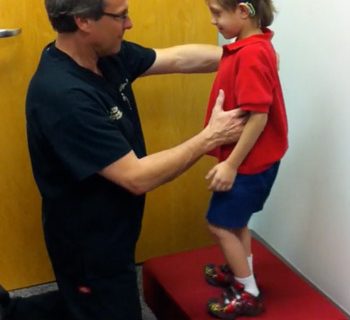
VIDEO – Pediatric Vestibular Dysfunction
Published on: August 1, 2013
It is estimated that over 500 syndromes and non-syndromes are known to have 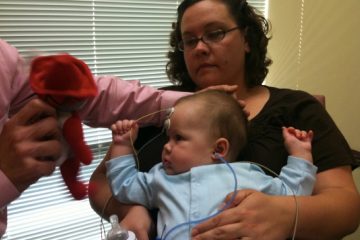 audiovestibular expressivity (Pikus, 2002). Some well-recognized syndromes such as Waardenburg, actually have a greater incidence of vestibular than auditory expressivity. In addition, BPV of Infancy, one of the six categories of Migraine (IHC, 2004), a genetic neurological disorder, is the leading cause of pediatric dizziness (Gans, 2013).
Using Motor Maturational Milestones and Vestibular Evoked Myogenic Potentials (VEMP), infants may be tested as young as 3-months of age. There is established normative data for both behavioral and electrophysiological testing. Recent published pediatric VEMP studies (Kelsch, Schaefer, & Esquivel, 2006; Picciotti et al, 2007; Sheykholeslami, Megerian, Arnold, & Kaga, 2005; Zhou, Kenna, Stevens, & Licameli, 2009) suggest that the prevalence of vestibular dysfunction in infants and children with sensorineural hearing loss could be as great as 90%, much higher than was previously believed.
AIB recommendations include:
- Testing for all children with congenital or acquired sensorineural hearing loss.
- Testing for special needs or other children who exhibit poor muscle tone, or who have delayed crawling, walking, coordinated activities i.e. kicking a ball etc.
- Intervention with pediatric physical and occupational therapy with an emphasis on sensory integration and substitution protocols based on specific needs of the child.
- Do not assume that an infant or young child is just “clumsy”. Evaluating this population is fast, cost-effective, non-invasive and available.